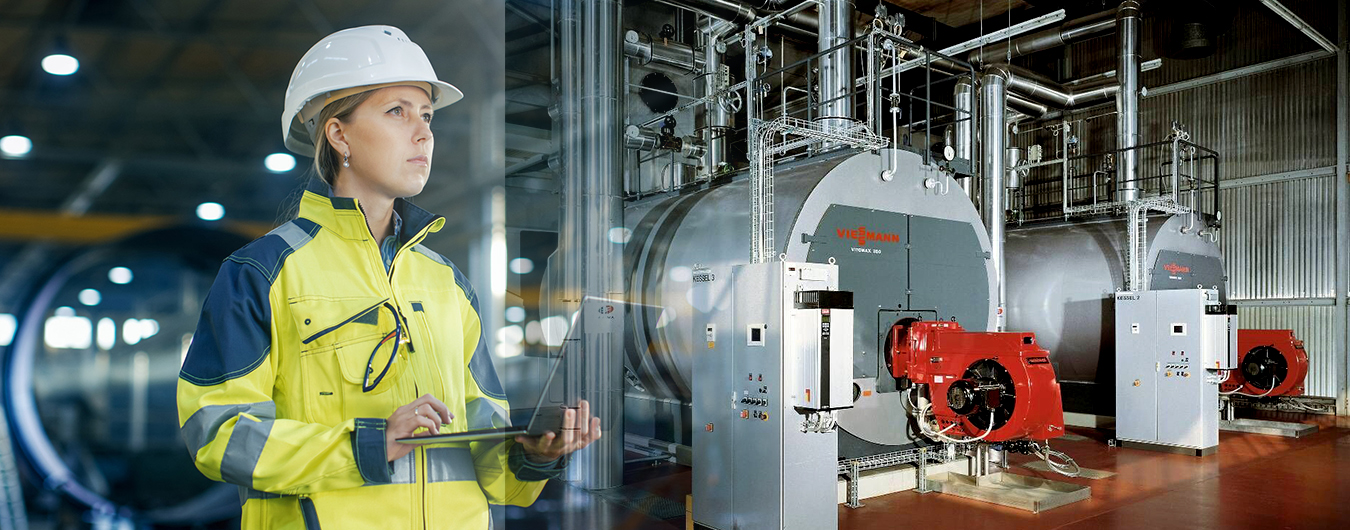
Water treatment of a hot water boiler is one of the simplest energy efficiency solutions. But scale on the heat exchange surface impedes heat transfer. It is known that just 1 mm of scale will result in a 10% increase in fuel consumption. For hot water boilers that operate on the grid without significant losses, it is enough to install a softening unit that will automatically feed the system and automatic dosing stations to adjust oxygen and pH.
Salts that negatively affect equipment efficiency include:
These impurities precipitate in the form of a layer of scale and interfere with the transfer of energy. This leads to overheating of the surfaces on the heating side and even damage to the heat exchange tubes in the boiler bundle.
The main problem at 90% of facilities is precisely the hardness salts that are most commonly found in nature.
The most harmful impurities and chemical elements in water used in steam and hot water boilers can be:
They cause deposits and films that lead to corrosion and reduced flow, and as a result, increased energy losses.