Water softening is not just an important tool for water treatment systems – it is an effective method to reduce the hardness salts that cause scale.
Water with increased hardness leads to:
This is a method of filtering water through an ion-exchange resin in the Na-form, where calcium and magnesium ions are replaced by Na as they pass through the resin layer. Thus, this process is called ion exchange. Once the ion exchange capacity of the resin is exhausted, regeneration is performed with a solution of common sodium chloride. Regeneration processes are fully automated and do not require human intervention. The main task of the operator is to add salt to the brine tank in time.
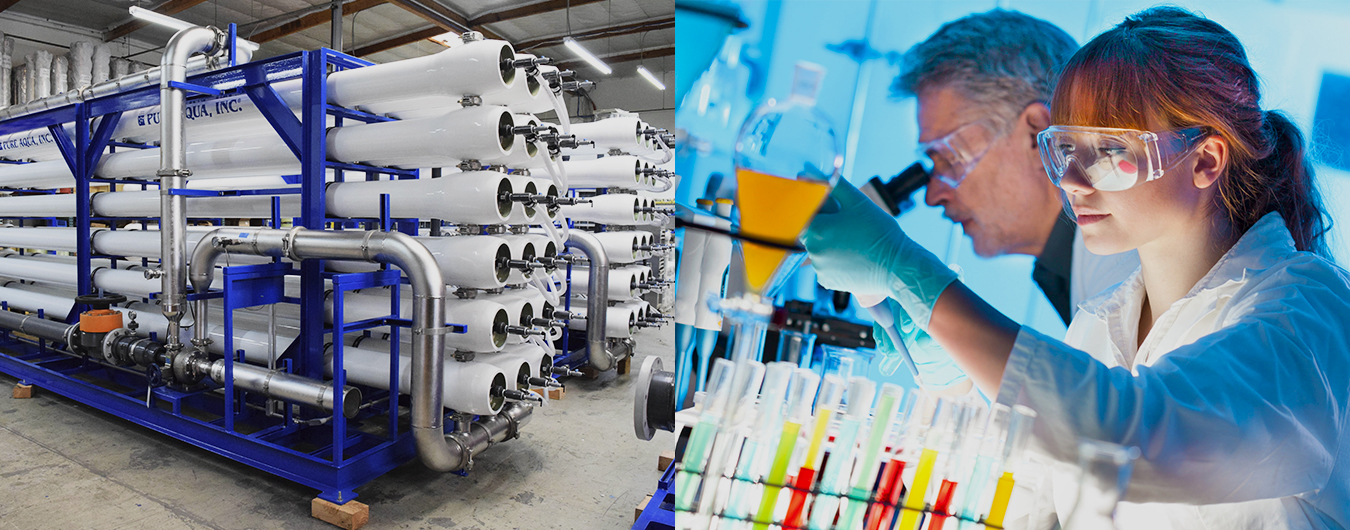
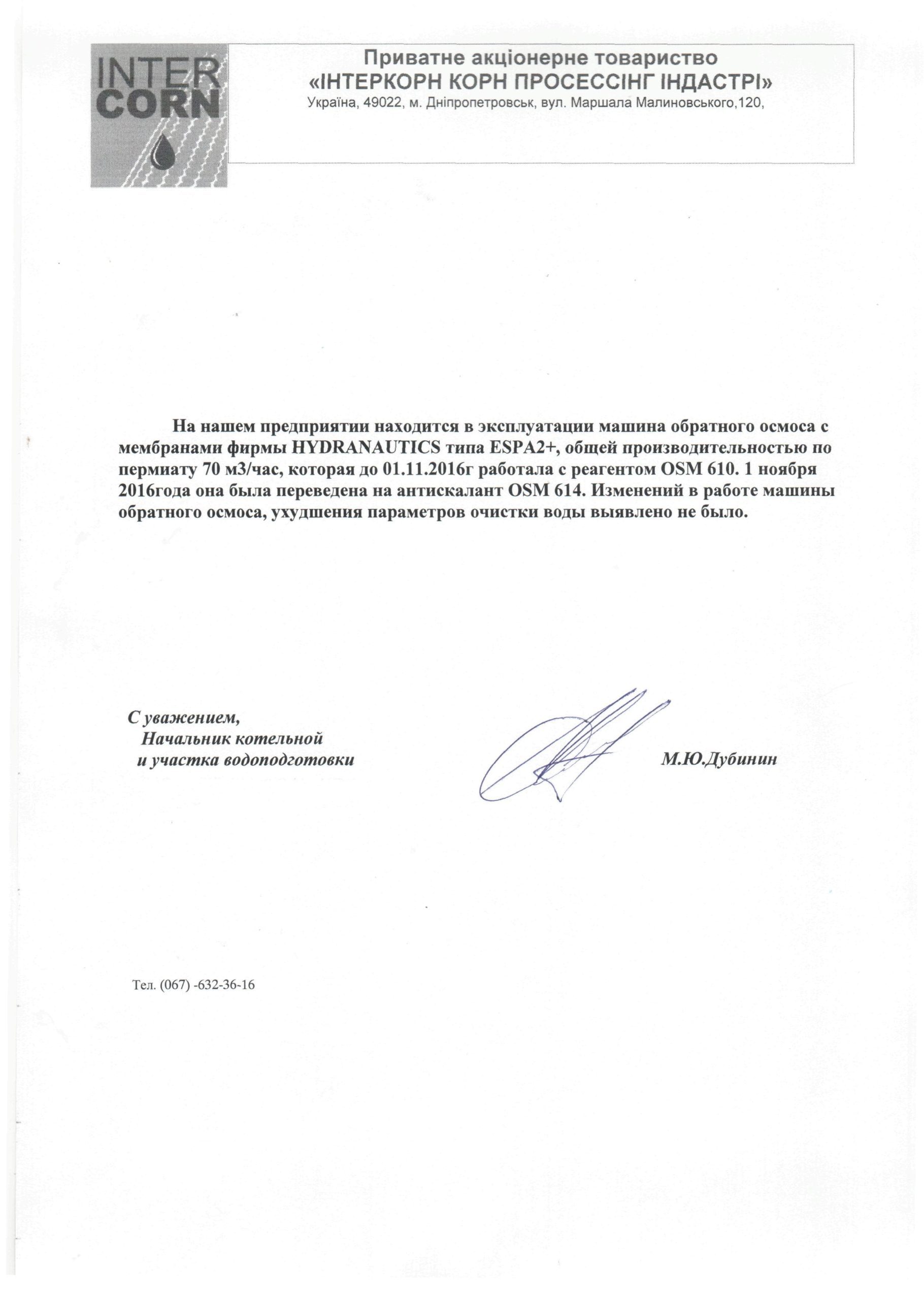
The membrane method of water treatment allows you to remove not only hardness salts. Nanofiltration can remove 90-95% of divalent salts and higher in valence and 50% of monovalent salts. Reverse osmosis provides 85-99% removal of all salts.
It is impossible to determine in advance which method will be the most effective, because each technology is selected for specific types of equipment and the customer’s budget.